
Heat Resistant Steel Casting: Durable Solutions for High-Temperature Applications
By:Admin
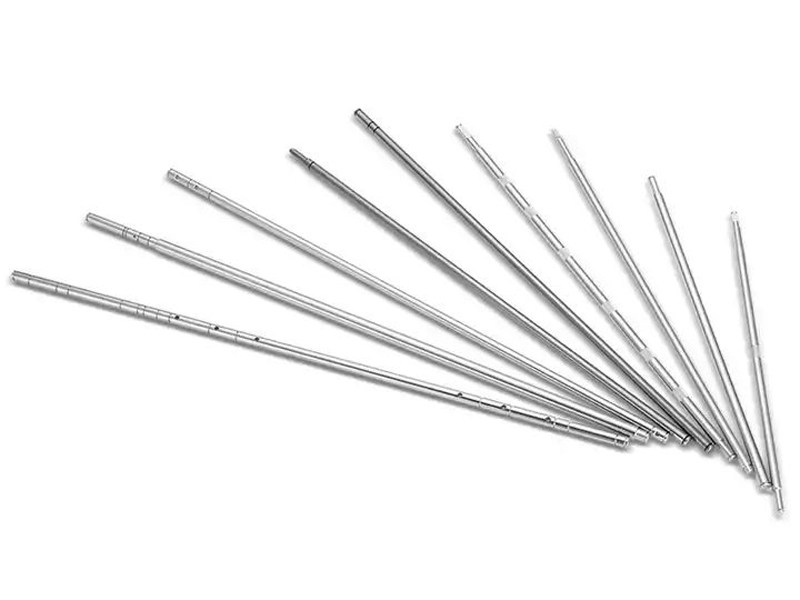
In an era where industrial applications demand materials that can withstand extreme conditions, advancements in heat resistant steel casting have become pivotal. Recent developments in this field have marked a significant stride, promising enhanced durability and performance for sectors ranging from aerospace to energy production.
Heat resistant steel casting is a specialized process that produces steel components capable of maintaining structural integrity and mechanical properties at elevated temperatures. These components are vital in environments where exposure to high heat, oxidation, and corrosion can rapidly degrade ordinary materials. The latest breakthroughs in casting techniques and alloy composition have led to improved thermal stability, extended service life, and overall cost efficiency.
The process involves carefully controlled melting and pouring of specialized steel alloys into molds, ensuring precise chemical compositions and microstructures that confer heat resistance. Innovations in furnace technology, mold design, and cooling rates have optimized the crystallization process, resulting in steel castings with superior grain structures and fewer defects.
One of the key challenges addressed by this advancement is the mitigation of thermal fatigue—cracks and failures triggered by cyclical heating and cooling. The new steel castings exhibit enhanced resistance to thermal cycling, which is crucial for components used in gas turbines, boilers, and automotive exhaust systems. By improving the alloy’s stability under fluctuating temperatures, these steel castings ensure safer operation and reduce maintenance costs for heavy industries.
The company behind this breakthrough has long been a leader in metallurgical innovation, dedicating resources to research and development aimed at high-performance steel solutions. With a history of delivering durable and reliable steel products, the firm’s commitment to precision engineering and quality control has been instrumental in achieving this milestone.
Utilizing advanced metallurgical analyses, including scanning electron microscopy and spectroscopy, the company’s research team identified critical microstructural features that contribute to enhanced heat resistance. By adjusting alloying elements such as chromium, molybdenum, and nickel within optimal ranges, the team achieved a fine balance between hardness, toughness, and corrosion resistance.
Furthermore, the integration of computer-aided design (CAD) and simulation software enabled the optimization of casting geometry, minimizing stress concentrations and improving thermal flow. This holistic approach from alloy design to mold fabrication represents a significant leap over traditional casting methods.
Industry experts have applauded these developments, highlighting their potential to revolutionize applications in power generation sectors where efficiency and reliability are paramount. For example, turbine blades constructed from these new heat resistant steel castings can operate at higher temperatures, improving turbine efficiency and reducing greenhouse gas emissions.
In addition to performance improvements, the process innovations also address sustainability concerns. Enhanced casting yields reduce raw material waste, while longer component lifespans decrease the environmental footprint associated with manufacturing replacements. The company’s adherence to stringent environmental standards reflects its broader commitment to responsible industrial practices.
Looking ahead, the company plans to expand production capacity and collaborate with clients across various sectors to tailor solutions that meet specific operational requirements. By leveraging its extensive industry experience and cutting-edge technology, it aims to set new benchmarks in heat resistant steel casting.
As global industries continue to push the boundaries of material performance, such innovations are crucial in supporting infrastructure resilience, operational safety, and economic competitiveness. This breakthrough marks not only a technical achievement but also a strategic advancement that underscores the vital role of metallurgical expertise in modern manufacturing.
**About the Company**
With decades of experience in steel manufacturing and casting, the company has established itself as a trusted partner for industries requiring high-quality, specialized steel products. Its comprehensive range of solutions encompasses everything from raw material sourcing and alloy development to precision casting and finishing. By integrating traditional craftsmanship with modern technology, the company consistently delivers products that meet rigorous standards for strength, durability, and performance.
The firm’s dedication to innovation is evident in its state-of-the-art research facilities, where metallurgists and engineers collaborate to push the envelope of what steel materials can achieve. Through continuous improvement and customer-focused service, the company maintains its reputation as a leader in the steel casting industry, particularly in areas demanding high heat resistance and mechanical reliability.
In summary, the recent advancements in heat resistant steel casting showcase the company’s leadership in material science and its commitment to supporting industries facing the challenges of high-temperature applications. As demands on industrial materials grow increasingly complex, such pioneering efforts pave the way for safer, more efficient, and sustainable engineering solutions.